cell_tower
Broadcast Station
visibility
388 views
schedule
7 months ago


CULCHR.TV
Vintage Exclusive
Up Next
Network Discovery
visibility
388 views
thumb_up
28
comment
6
schedule
14:18
2026
7 months ago
Mr. Bhanu Neupane, Process Coordinator for the UNESCO World Water Development Report, on the launch of the World Water Development Report.
“The message of the report is very clear. As with climbing Mount Everest, the route to gender equality in water may be visible, but the real challenge is sustaining the exit to the summit,” Bhanu Neupane, UNESCO Representative, said as he briefed journalists on the launch of the UN World Water Development Report for 2026.
Neupane said 1.8 billion people live in households without water on the premises. In those households, women and girls are responsible for collecting water in about 70 percent of cases, spending around 250 million hours every single day on the task.
“These burdens begin very early,” he said. “Girls under the age of 15 are almost twice as likely as boys to face fetch water, and girls five to nine years old already spend significantly more time than boys on unpaid household work. This illustrates how gaps in water access translates directly into inequalities in time, opportunity and well-being.”
The consequences extend beyond the household, Neupane said. “Time spent collecting water reduces opportunities for education, employment and participation in public life.” Water insecurity also carried health and safety implications, he added, “including physical strain, water collection injuries, and increased exposure to harassment or violence or even sextortion when accessing distant water or sanitation services.”
Women make up only 17.7 percent of employees in water utilities globally, and only 27 percent of countries report high levels of women's participation in water decision-making. Yet when women do participate in water governance, “water services become more equitable, more effective and more sustainable,” he said.
The report found disparities across all regions. In Asia and the Pacific, climate variability is intensifying floods and droughts, impacts that “frequently disproportionately affect women,” Neupane said. In Latin America and the Caribbean, social norms and institutional barriers persist. In the Arab region, expanded education and STEM training are helping, though stronger policy frameworks are still needed. Even in Europe, “socioeconomic and demographic factors can still reinforce inequalities in water governance and leadership roles,” he said.
This year's report marks the first time a UN World Water Development Report has been issued in the Mayan language, in an effort to reach more communities across the globe.
apparel
Vintage
steps
Sneakers
checkroom
Streetwear
sports_esports
Gaming
travel
Travel
chef_hat
Food
broadcast_on_home
Tech
child_care
Kids
sell
Reselling
sports
Sports
comedy_mask
Comedy
tv_guide
Entertainment
skateboarding
Skate
style
Cards
history_2
Retro
money_range
Business
headphones
Music
dictionary
Learn
rss_feed
News
wall_art
Art
landscape
Outdoors
newspaper
Docuseries
manga
Anime
sports_kabaddi
Wrestling
styler
Lifestyle
car_gear
Auto
supervisor_account
Reality
shopping_bag
Shopping
diamond
Luxury
military_tech
Military
borg
Sci-Fi
language_international
International
grass
Western
weather_hail
Weather
movie
Movie
car_gear
Engineering
casino
Gameshow
home_and_garden
Home
universal_local
Local
bath_soak
Relaxation
More to Watch

3:52
Breaking down the U.S. strikes on Kharg Island
106.7K views • 7 months ago

17:24
Ed Miliband: 'We need to de-escalate this conflict'
18.3K views • 7 months ago
0:50
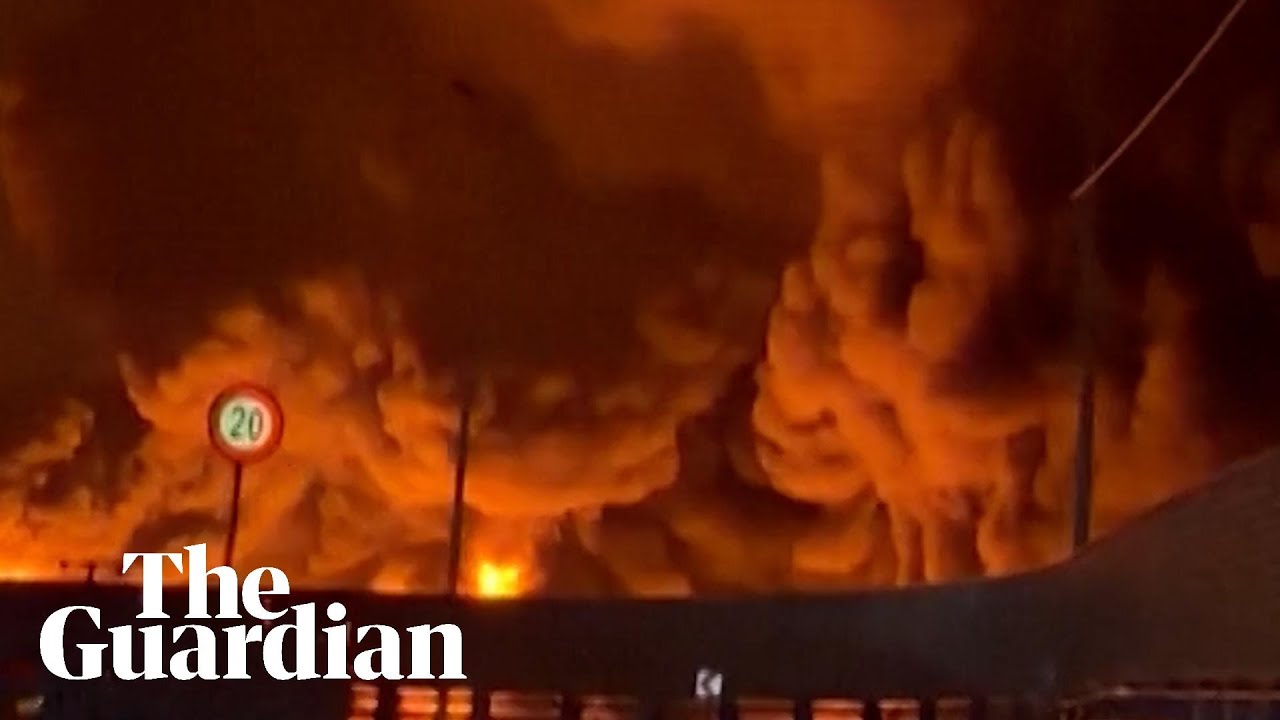
Tehran oil sites on fire as Iran exchanges strikes with Israel and US
190.3K views • 7 months ago

3:55
Race starts to replace Keir Starmer as UK PM, with Burnham as favourite • FRANCE 24 English
2.2K views • 4 months ago

11:46
Why French mayors are throwing in the towel • FRANCE 24 English
10.7K views • 7 months ago

15:13
World Cup 2026: Cape Verde miss out on greatest upset • FRANCE 24 English
2.7K views • 4 months ago